It’s the end of April. The first day of summer in northeastern Alberta is just eight weeks away. And out of a north-facing window at Portage College’s Lac La Biche campus last Friday afternoon, facilities crews could be seen shoveling snow drifts as the cold winds howled around them.
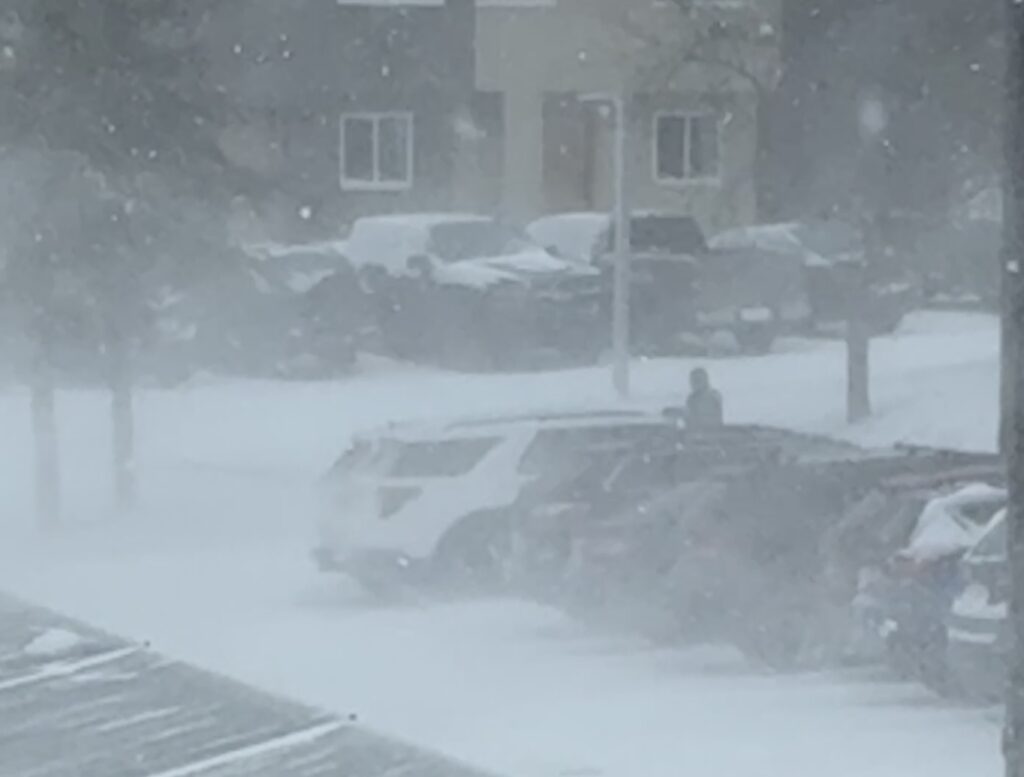
Even though spring officially sprung on March 20 – more than a month ago – it was the latest winter storm of several that have hit the region over the last two weeks. With double-digit temperatures expected this week, it will likely be another week of alternating snow and flood warnings for residents of the region. As winter storms and summer temperatures come just days apart, many residents are asking: What the heck is up with the weather around here?
Weather forecast from Portage
Al Bertschi was wondering the same thing as he watched the storms swirl outside his Portage College office windows on Friday. Al is the Coordinator of the Environmental Technologist Diploma program at Portage College – and the closest thing to a weather forecaster in the community. Al teaches about climate, weather patterns, geographical anomalies, soil, wind, rain, wildlife and wildfire patterns, and historical snowfall. So, he has the credentials and experience to take a stab at our weather question, right?
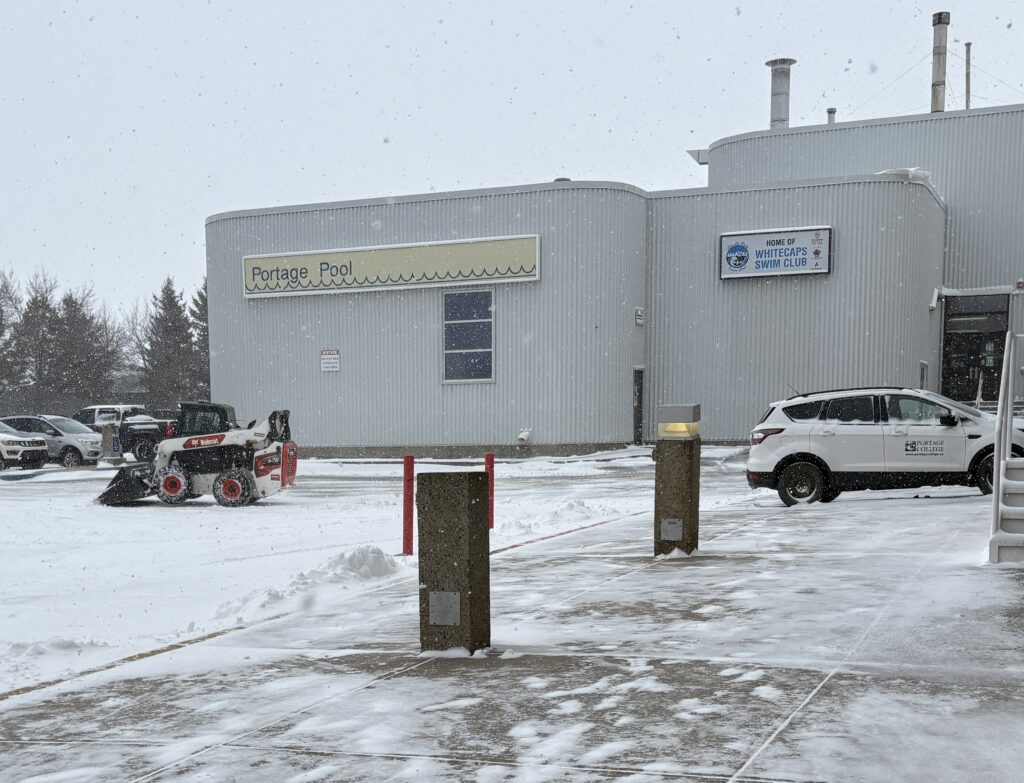


(l) Portage College facilities crews have been busy with the extra snowfall (c) Enviro Tech Coordinator Al Bertschi (r) A Lac La Biche County sign warning of “flooding AND snow” – a troubling and confusing time for weather in northeast Alberta.
Well – when it comes to Mother Nature, even the best environmental experts can find themselves at a loss.
“Like the lessons we teach to the students in our program, we have to pivot and adapt when it comes to the environment. We do our best to be stewards, but we have to realize it’s not always about how we deal with the environment, quite often it’s how the environment deals with us,” he said.
Oh sure, Al can offer explanations based on the wealth of information he and his faculty mates collect and pass onto their students; he can reference historic weather patterns, or provide hints to the unusual freeze and thaw conditions by referring to wildlife migration patterns, he can show the details of an unstable jet stream and shifting La Nina pattern, or changes in permafrost thickness … but the expert environmental-watcher admits there can also be a “shrug factor.”
For the birds
“This year it’s all been extremely variable – I’d love to be able to pinpoint it – but sometimes just saying “it’s weird” has to be enough – even for professionals,” he said with a grin.
Perhaps it’s the birds’ fault, he continues, offering up some less than scientific – and very light-hearted explanations – “The robins haven’t arrived yet. It’s not spring until you see your first robin.”
Keeping the humour going, the veteran instructor says there are some positives about the unexpected snowfall. It might increase student performance, for one thing.
“Long springs are good for maintaining student focus. When we have warm early springs, students tend to lack focus, attendance might drop, and their marks can suffer,” he said with a smile, offering a few more real-world benefits from the added moisture. “Weather like this is good for their grades, and helps with soil moisture, and may prevent early forest fires.”
With tongue firmly in cheek and his eyes to the skies, Al offered advice on going forward in what is a very unsettled time of year in northeastern Alberta.
“Don’t put away your winter clothes just yet, pack them in your vehicle for you and your family’s safety. Short pants and sandals are not recommended attire for the next couple of days. Dress warm, play and stay safe.”
Not wanting to leave the conversation without offering some scientific advice, backed by his years of environmental experience, Al said the late snowfall could help with what is expected to be a hotter- than-average summer.
“Having this extra moisture from last weekend’s snowfall will help replenish soil moisture and raise water tables and lake levels in the short term, which will help reduce the effects of the drought we experienced during the summer of 2025 in northern Alberta. Perception in any form should be celebrated, as it is the world’s lifeblood.”
Thanks Al.


(l) The most recent storm closed highways across northeast Alberta and challenged local motorists (r) Forecasts say there’s a warming trend on the way … and flooding.
Your environment
To find more about what Al and the experts in the Portage College Environmental Technologist Diploma program really do know a lot about – and if you’ve got time because it’s a windy, rainy, snowy day, (or a combination of it all) outside – visit the program’s website.
The Environmental Technologist Diploma program is a great place to learn about the environment around us … even if we can’t always explain it.